William Harllee

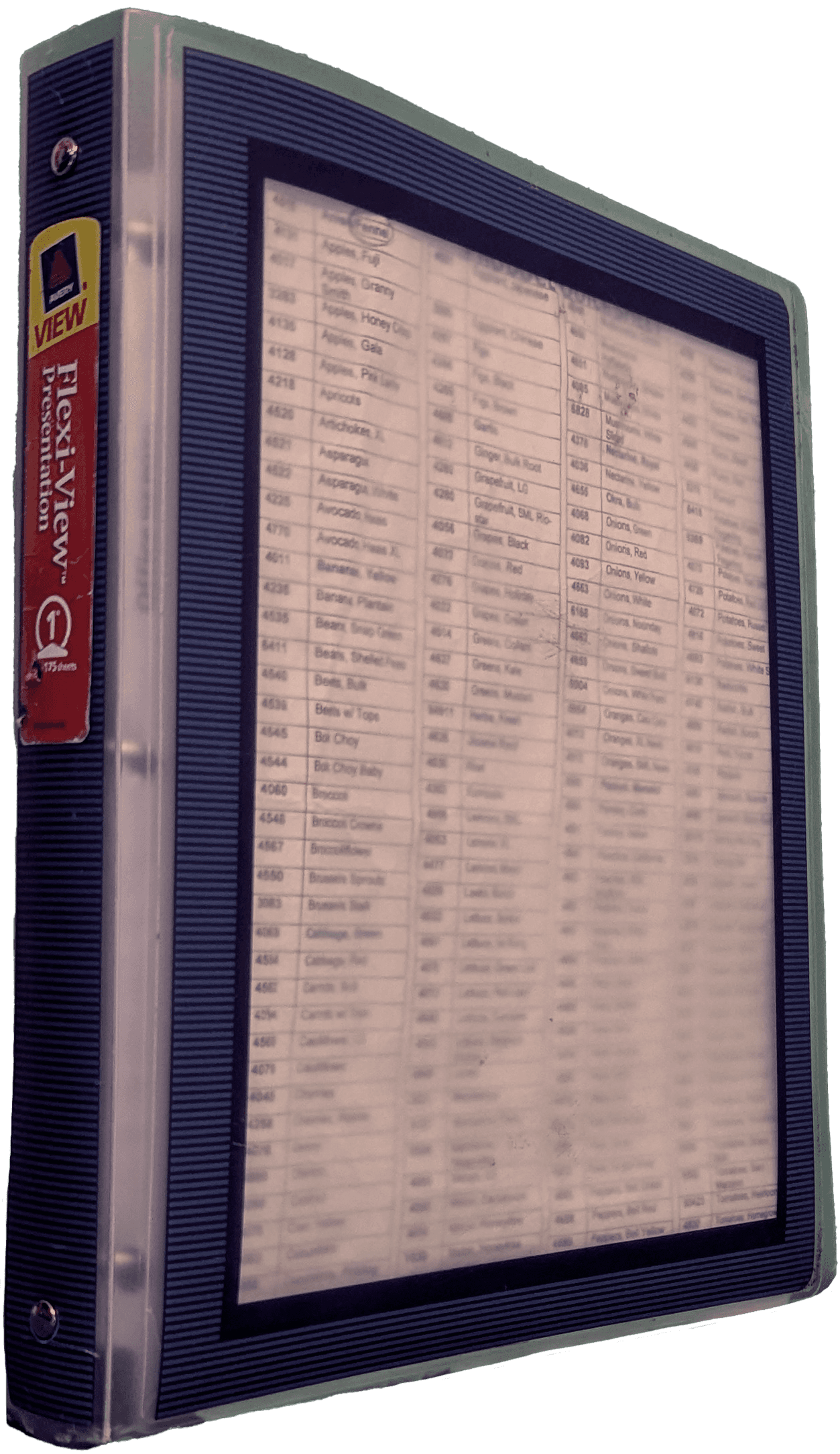
I updated the cashier handbook for one

of Central Market's Dallas location.


I was contracted to create a product for the

50+ people in the service department that

was clean, easy to use, and increased

scanning speed to improve the customer

experience.

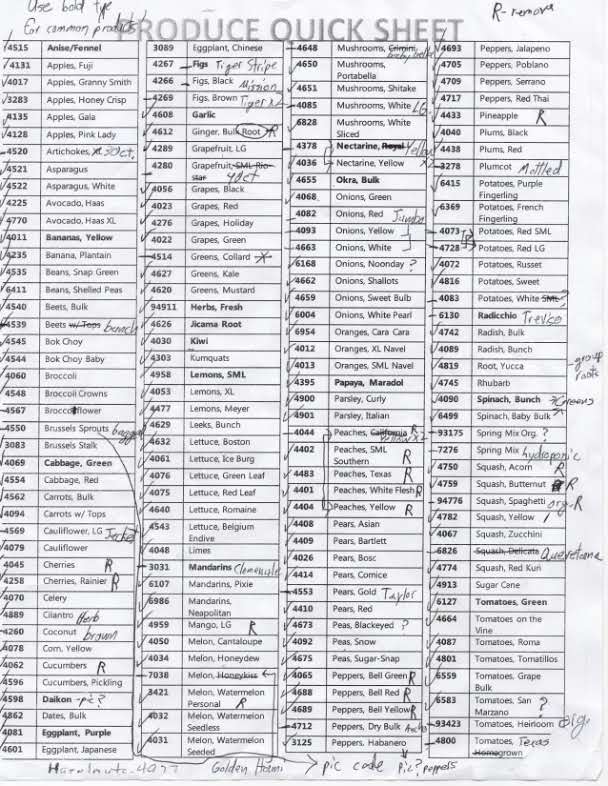
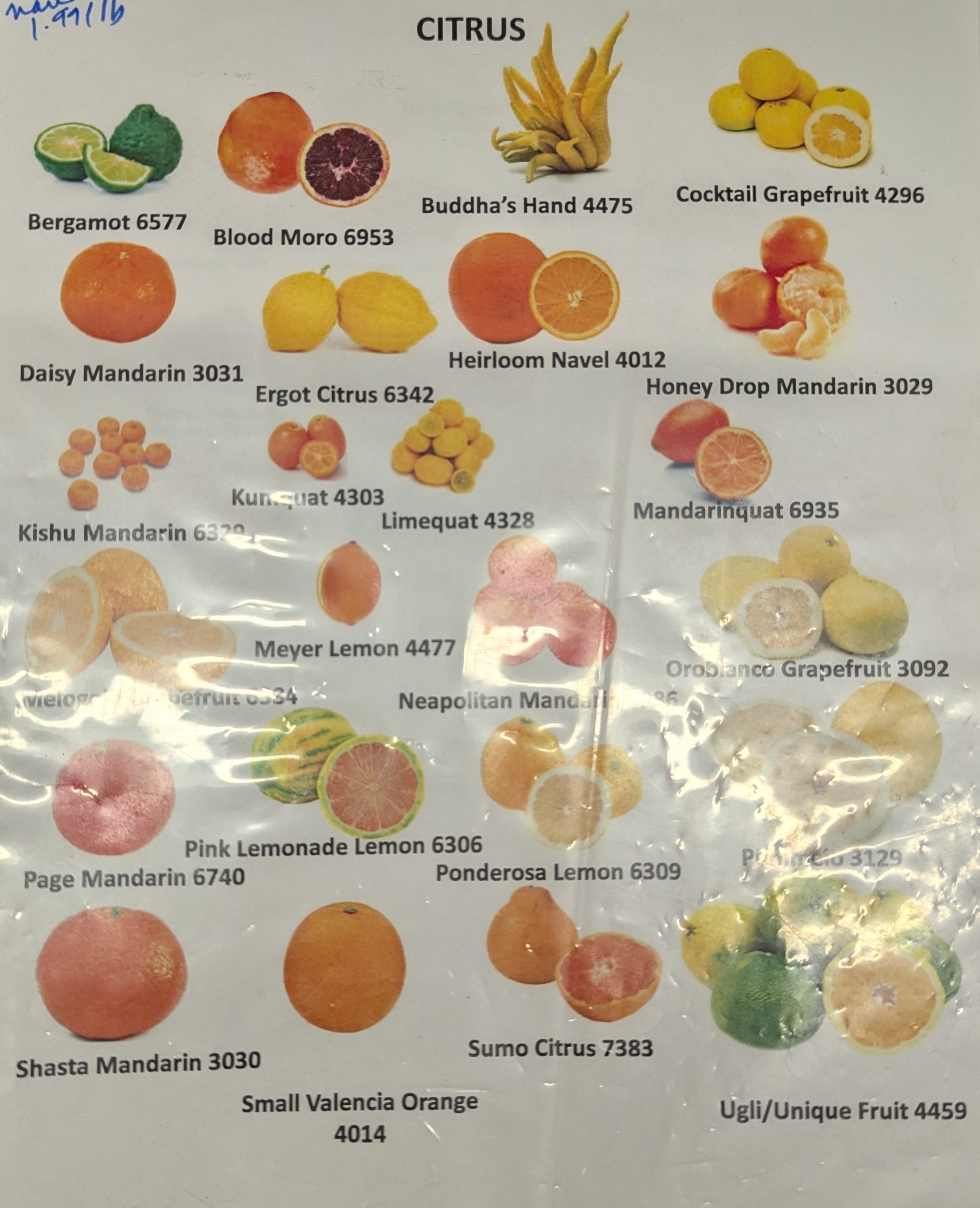
The existing book was old and hard to use;

very much in need of an refresh.

I updated the cashier handbook for one

of Central Market's Dallas location.


I was contracted to create a product for the

50+ people in the service department that

was clean, easy to use, and increased

scanning speed to improve the customer

experience.

The existing book was old and hard to use;

very much in need of an refresh.

The most obvious issue

was that the old books

were overstuffed and

cluttered. It was

incredibly difficult

to find any given item.


But to move past the

obvious, I constructed

a survey that I handed

out to all willing

participants.

The most obvious issue

was that the old books

were overstuffed and

cluttered. It was

incredibly difficult

to find any given item.


But to move past the

obvious, I constructed

a survey that I handed

out to all willing

participants.

47%

of cashiers said

disorganization

is their no. 1 problem.

53%

of respondents said

image-based

elements are the

most useful in identifying

specific products.

84%

of cashiers had

suggestions for products

and even entire sections

that could be removed

entirely.

Based on the survey data, poor structure,

inconsistent formatting, and lacking visual

aids were the biggest issues cashiers had

with the existing book.


Everything from bad fonts to binder

rings popping open was mentioned.


So I got to work. The first step was to

remove any sections or pages that were

no longer relevant. I was able to

remove meats, seafood, dip bar, floral, and

several other sections based on a swathe

of outdated codes, and new policies on

how product movement is tracked.

I combed through over 1,200 items 3 times

to check for accuracy against products

on the shelves, new updated product lists,

and within the register computers. Many had

mis-labeled codes, were duplicates, or were

missing entirely from the computer system.


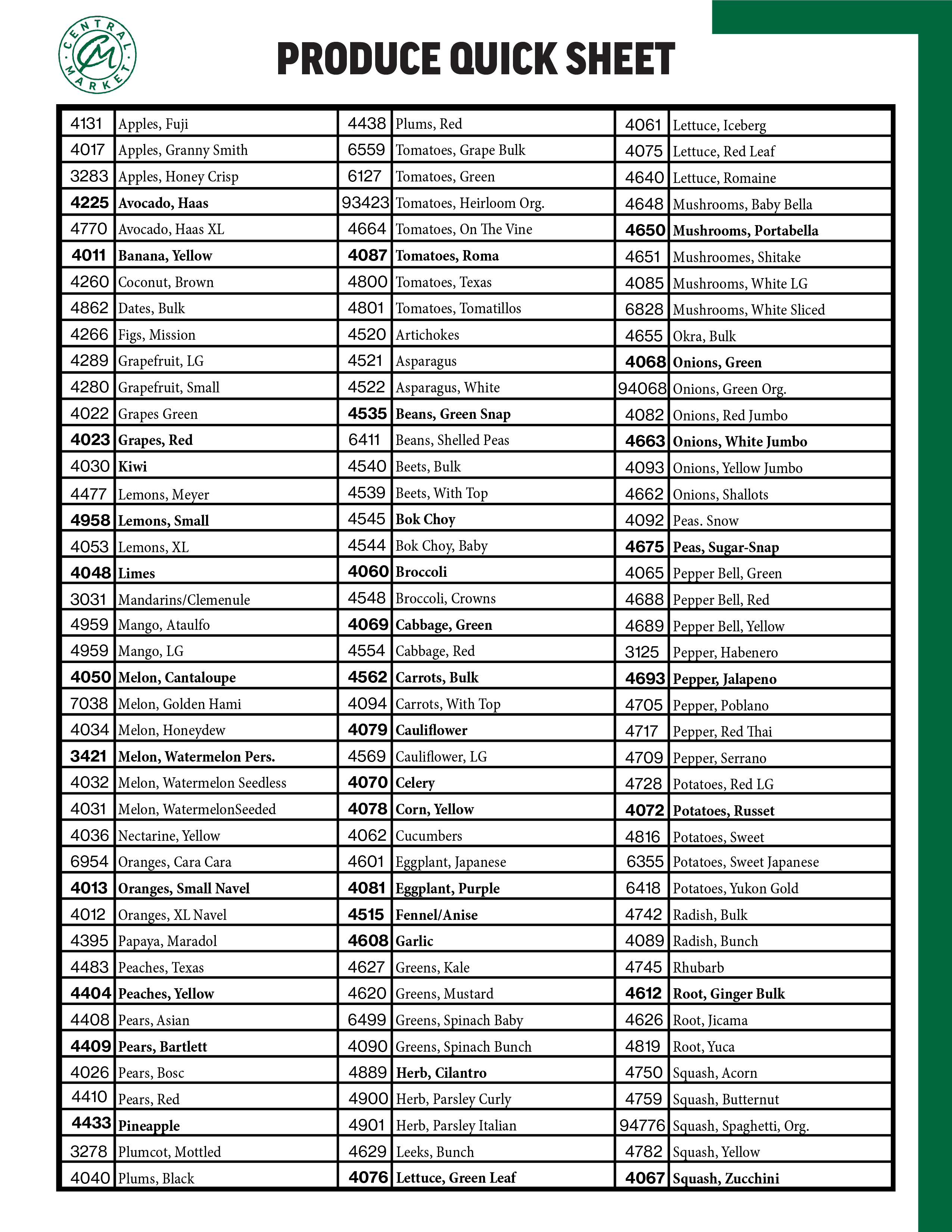
In produce alone I removed over

400 extraneous products,

reducing the section size by over 40%.


47%

of cashiers said

disorganization

is their no. 1

problem.

47%

of cashiers said

disorganization

is their no. 1

problem.

53%

of respondents

said image-based

elements are the

most useful in

identifying

specific products.

53%

of respondents

said image-based

elements are the

most useful in

identifying

specific products.

84%

of cashiers had

suggestions

for products

and even entire

sections that could

be removed

entirely.

84%

of cashiers had

suggestions

for products

and even entire

sections that could

be removed

entirely.

Based on the survey data, poor structure,

inconsistent formatting, and lacking visual

aids were the biggest issues cashiers had

with the existing book.


Everything from bad fonts to binder

rings popping open was mentioned.


So I got to work. The first step was to

remove any sections or pages that were

no longer relevant. I was able to

remove meats, seafood, dip bar, floral, and

several other sections based on a swathe

of outdated codes, and new policies on

how product movement is tracked.

I combed through over 1,200 items 3 times

to check for accuracy against products

on the shelves, new updated product lists,

and within the register computers. Many had

mis-labeled codes, were duplicates, or were

missing entirely from the computer system.


In produce alone I removed over

400 extraneous products,

reducing the section size by over 40%.


In prototyping, I gauged a wide number of factors

such as legibility, color blind friendly palettes, and

several organizational tools. Several versions

were tested in store over 4 weeks to arrive at the

final layout.


I chose font for its universal readability in

print formats, and utilized the Central

Market style guide to ensure legibility, and alignment

with the Central Market brand.


The most difficult challenge was rebuilding the product

lists from scratch, as the digital files the store had were

not in a format where copy and pasting was possible.


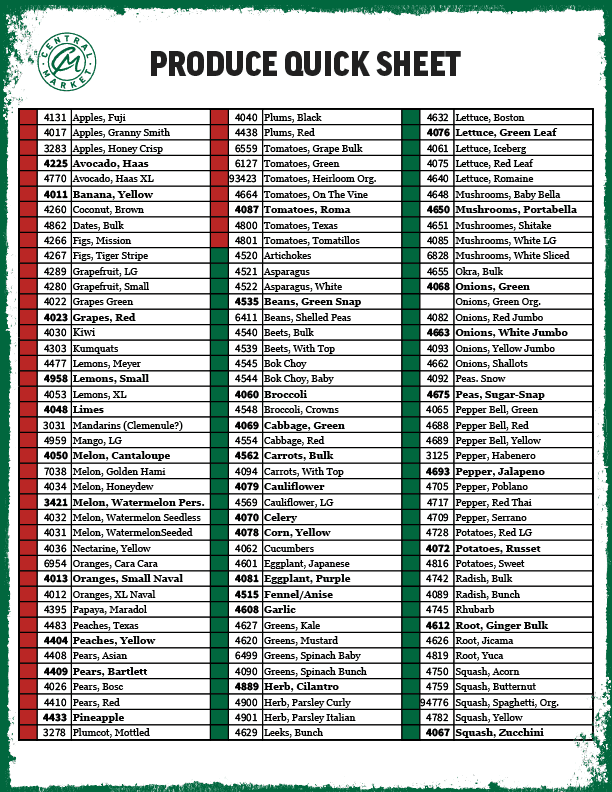
< Click to Expand >

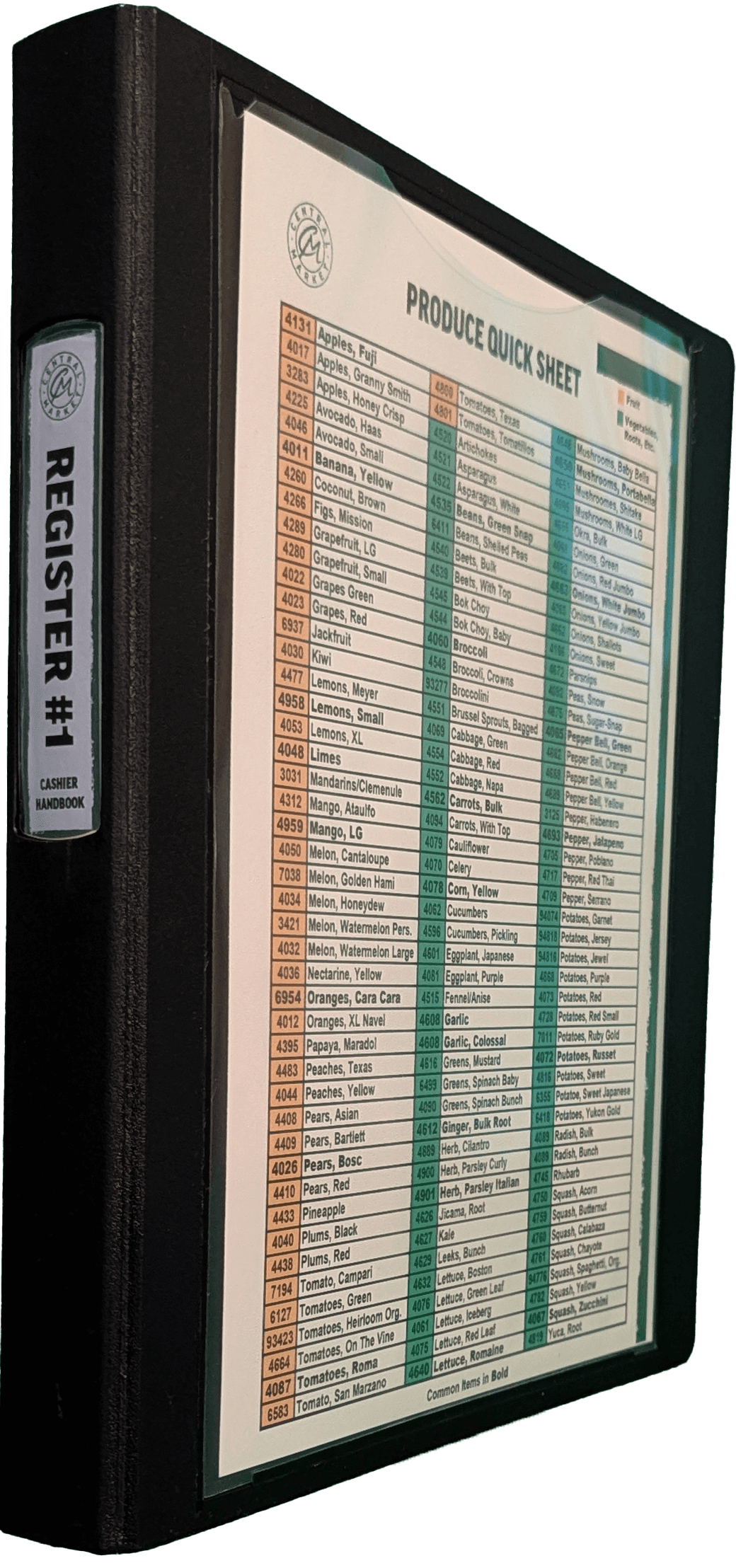
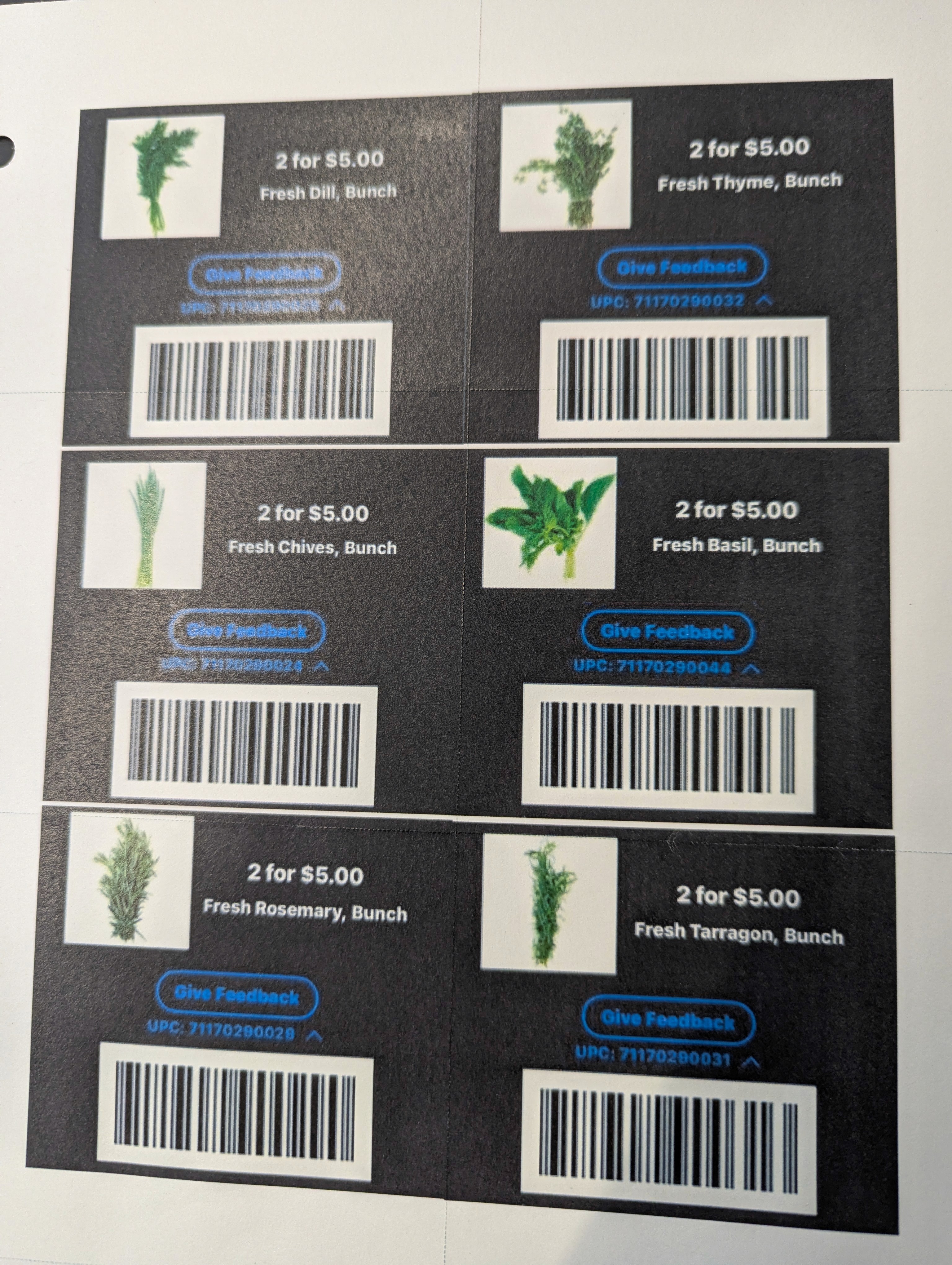
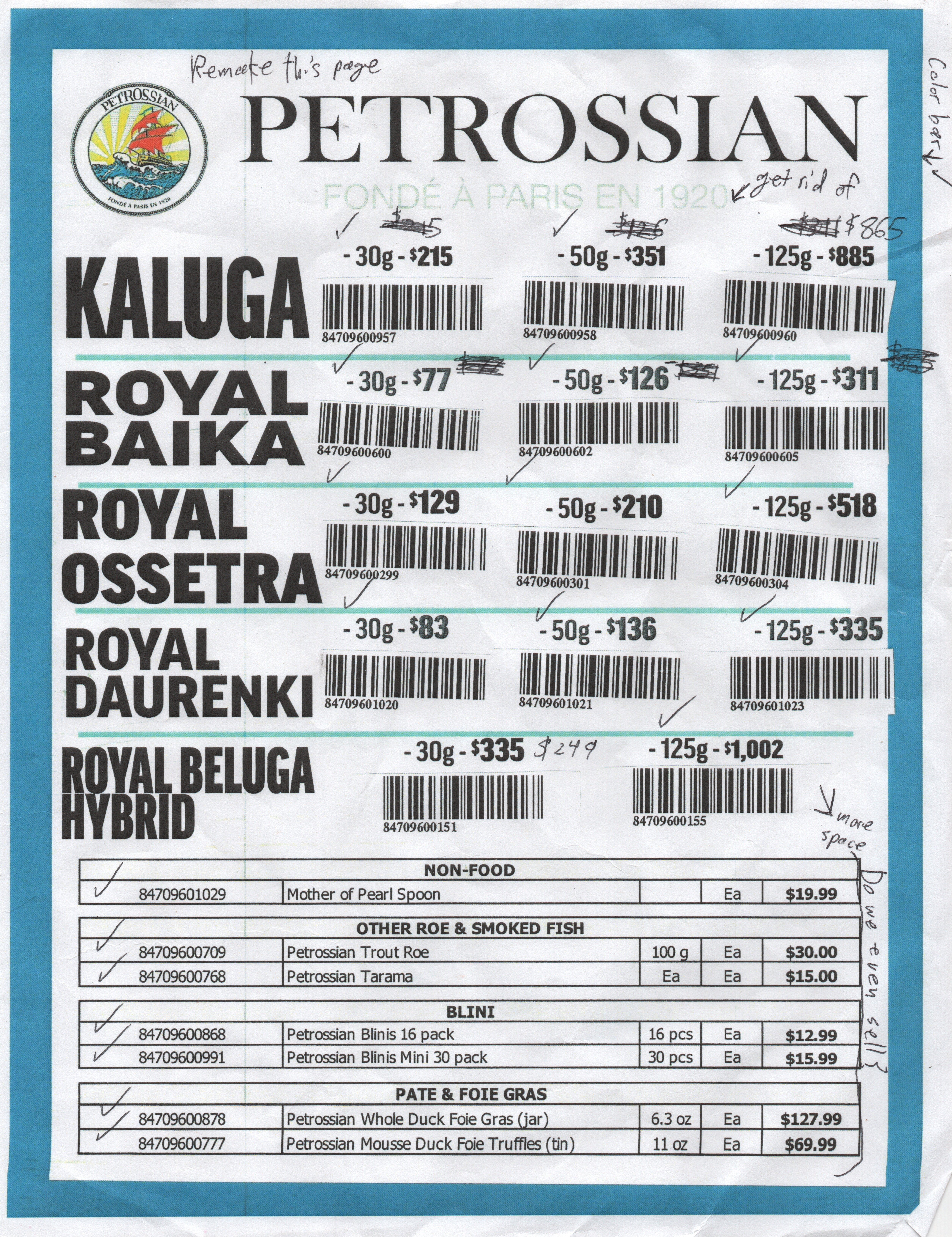
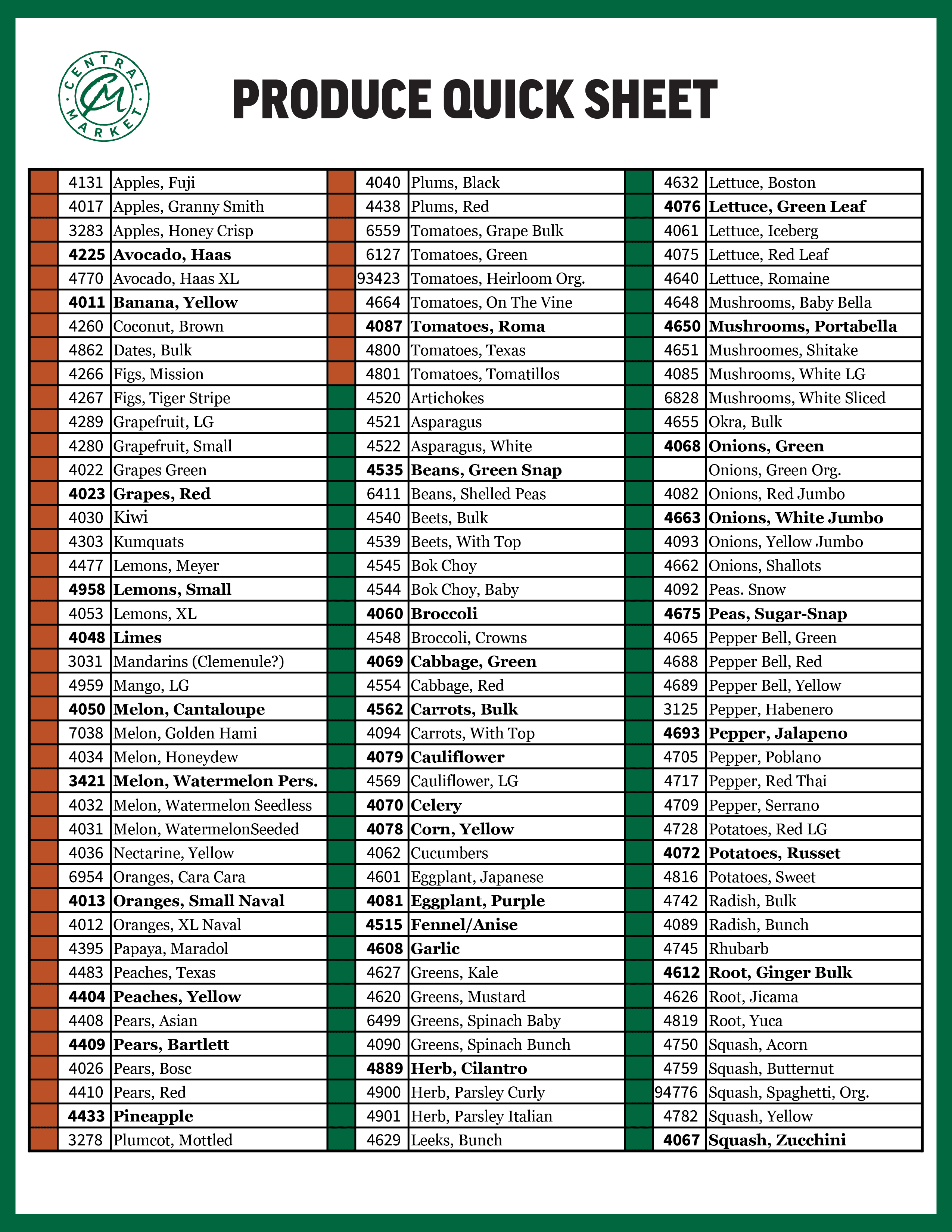
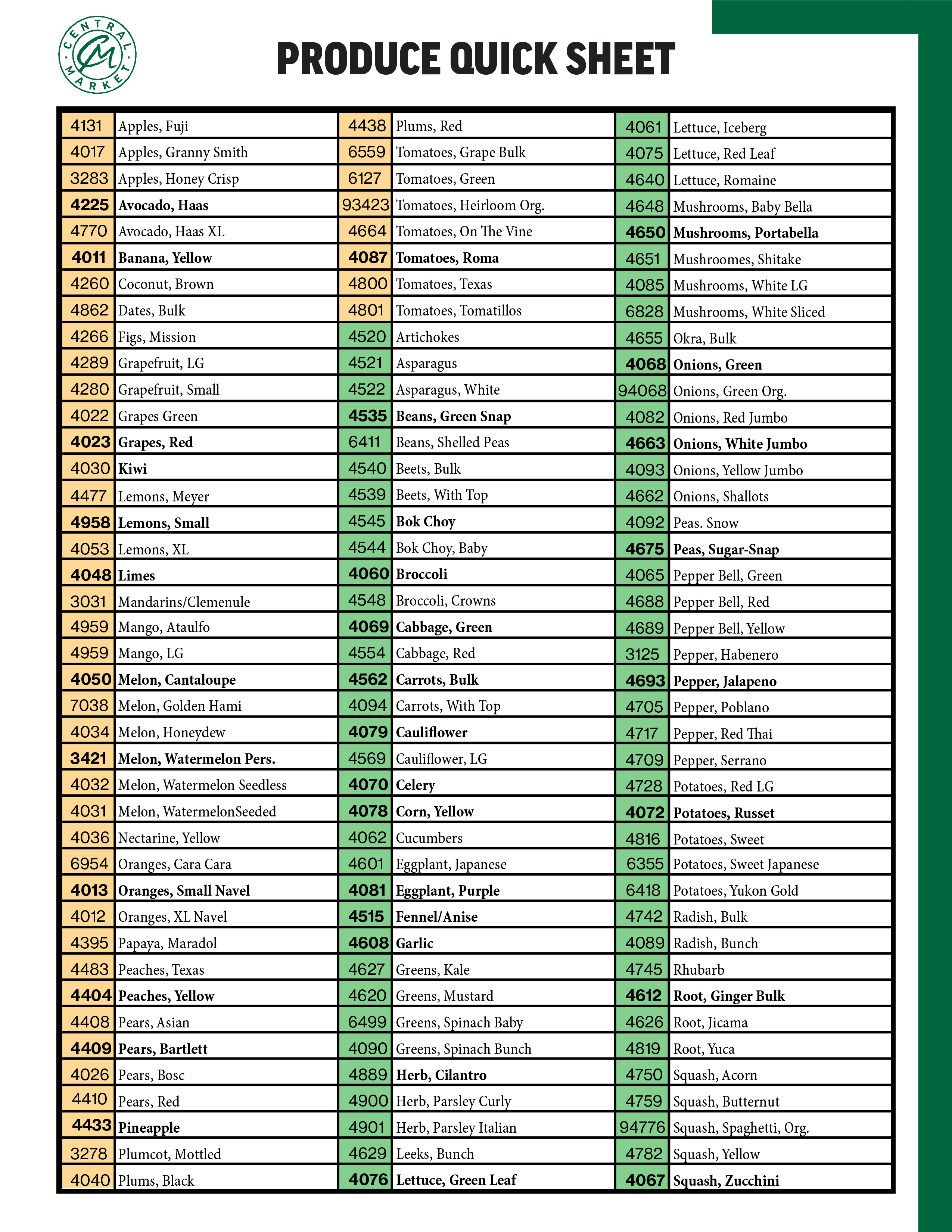
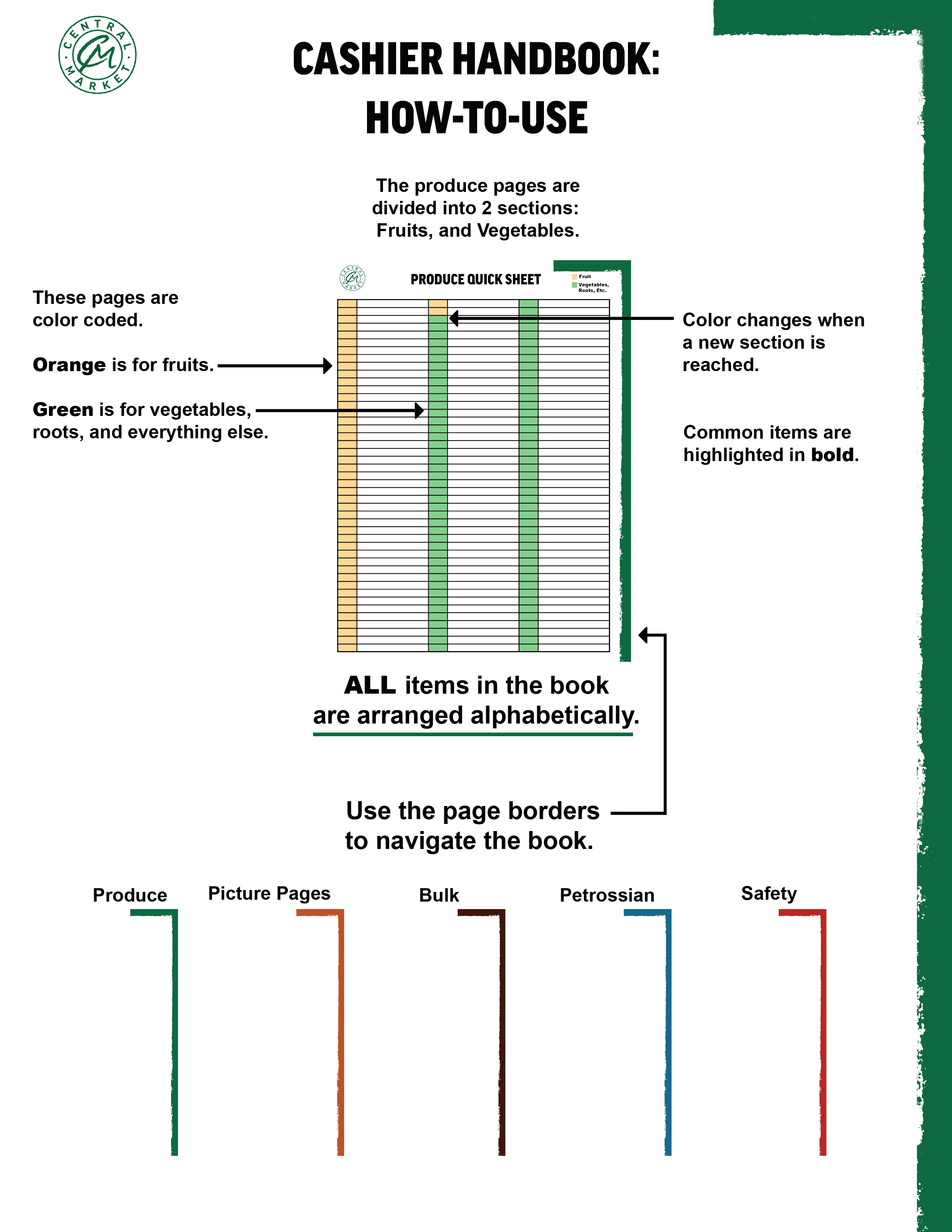
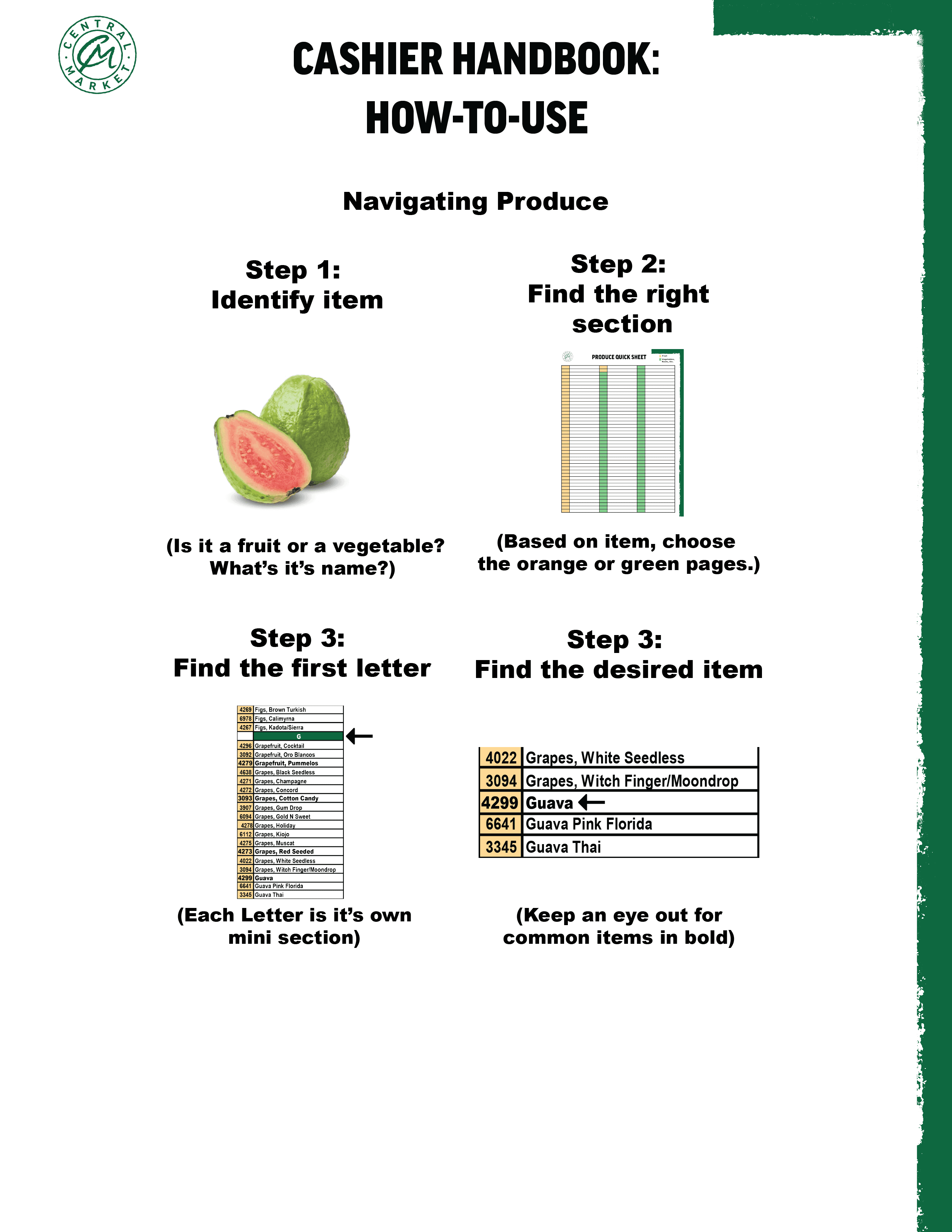
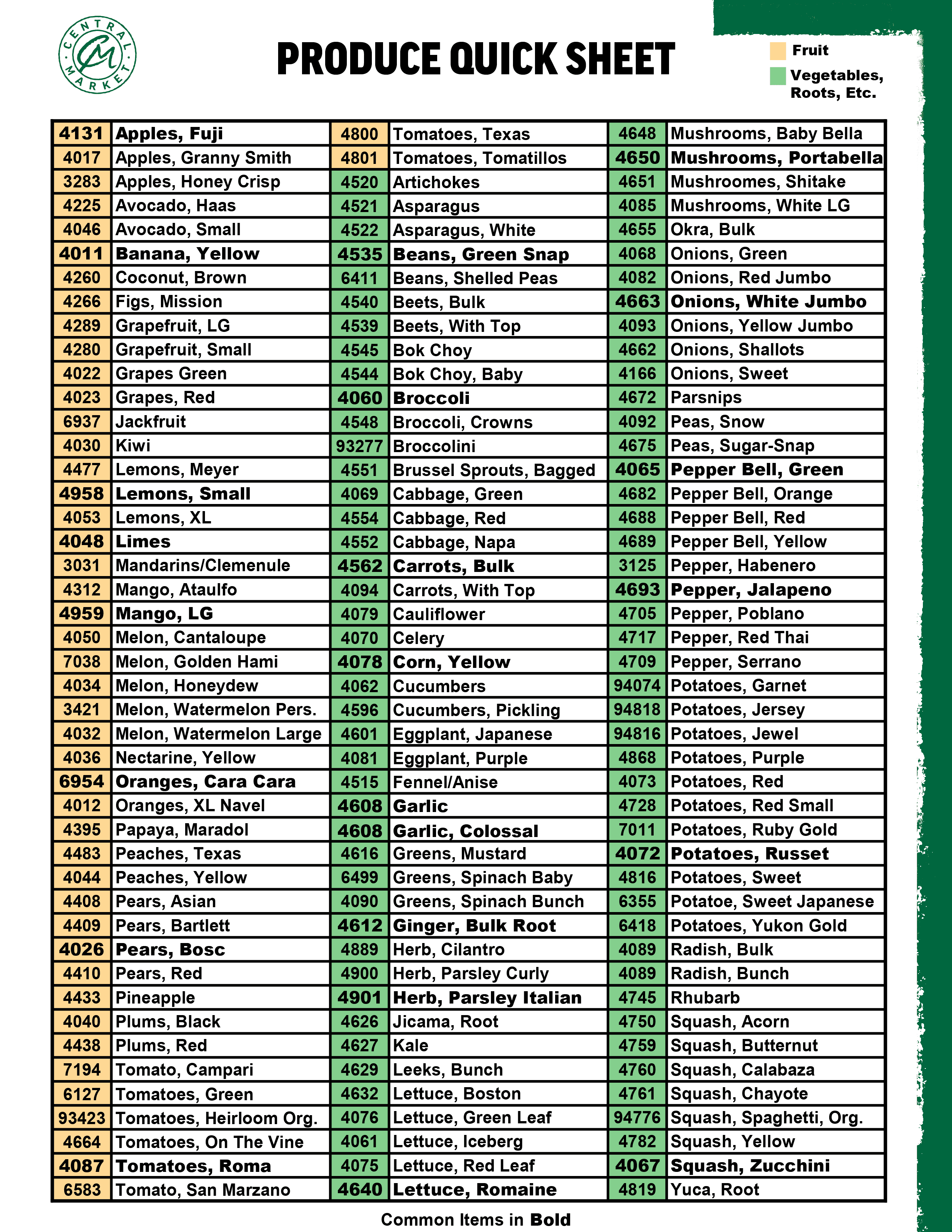
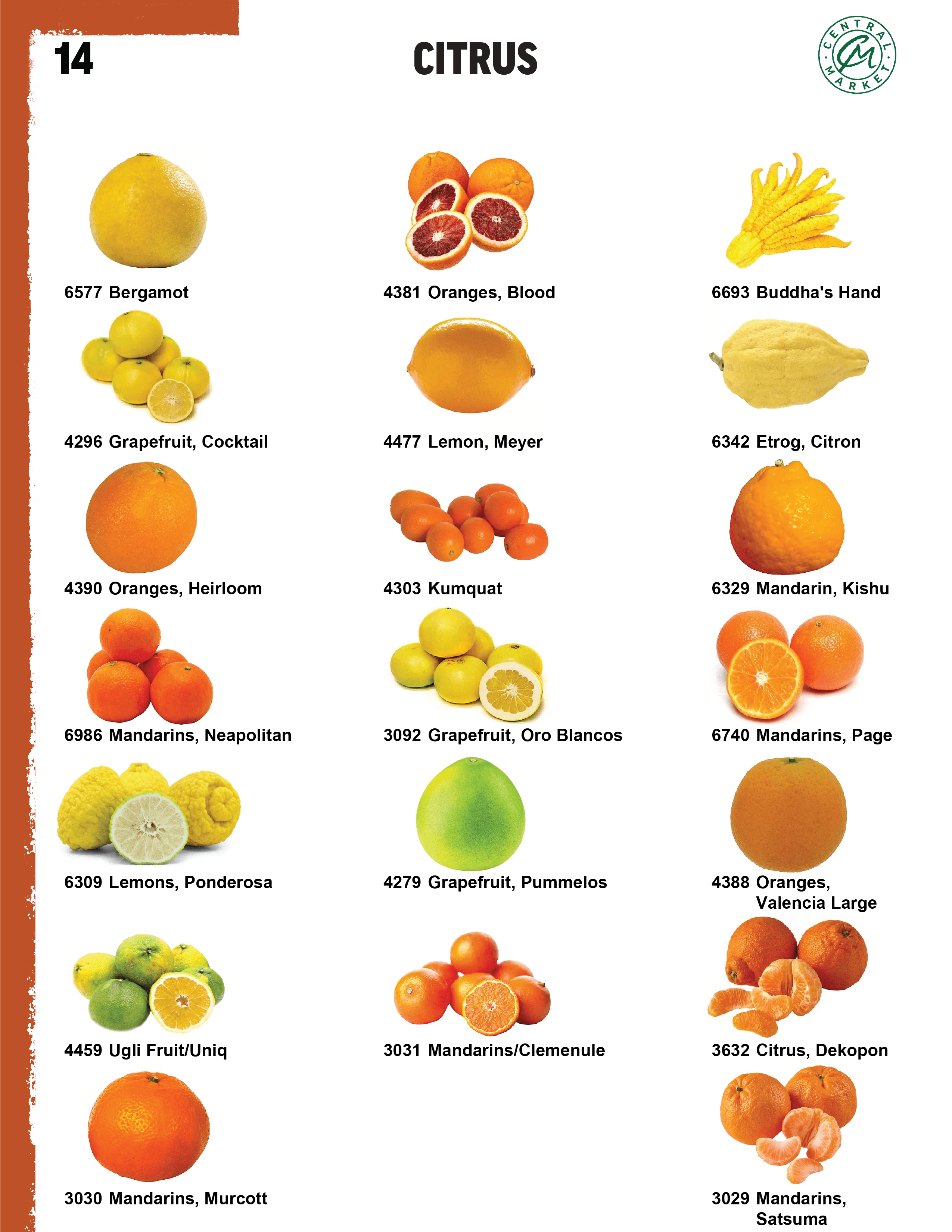
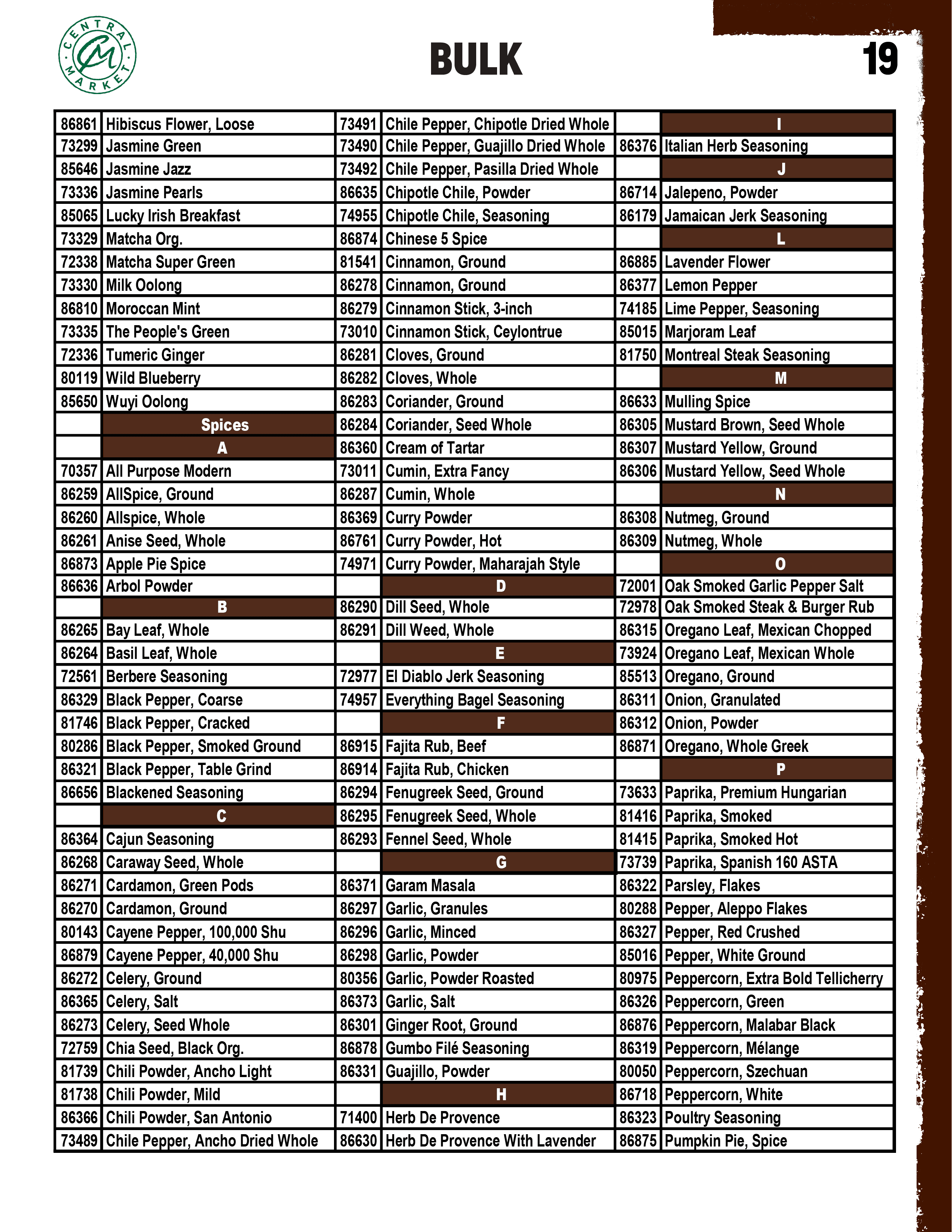
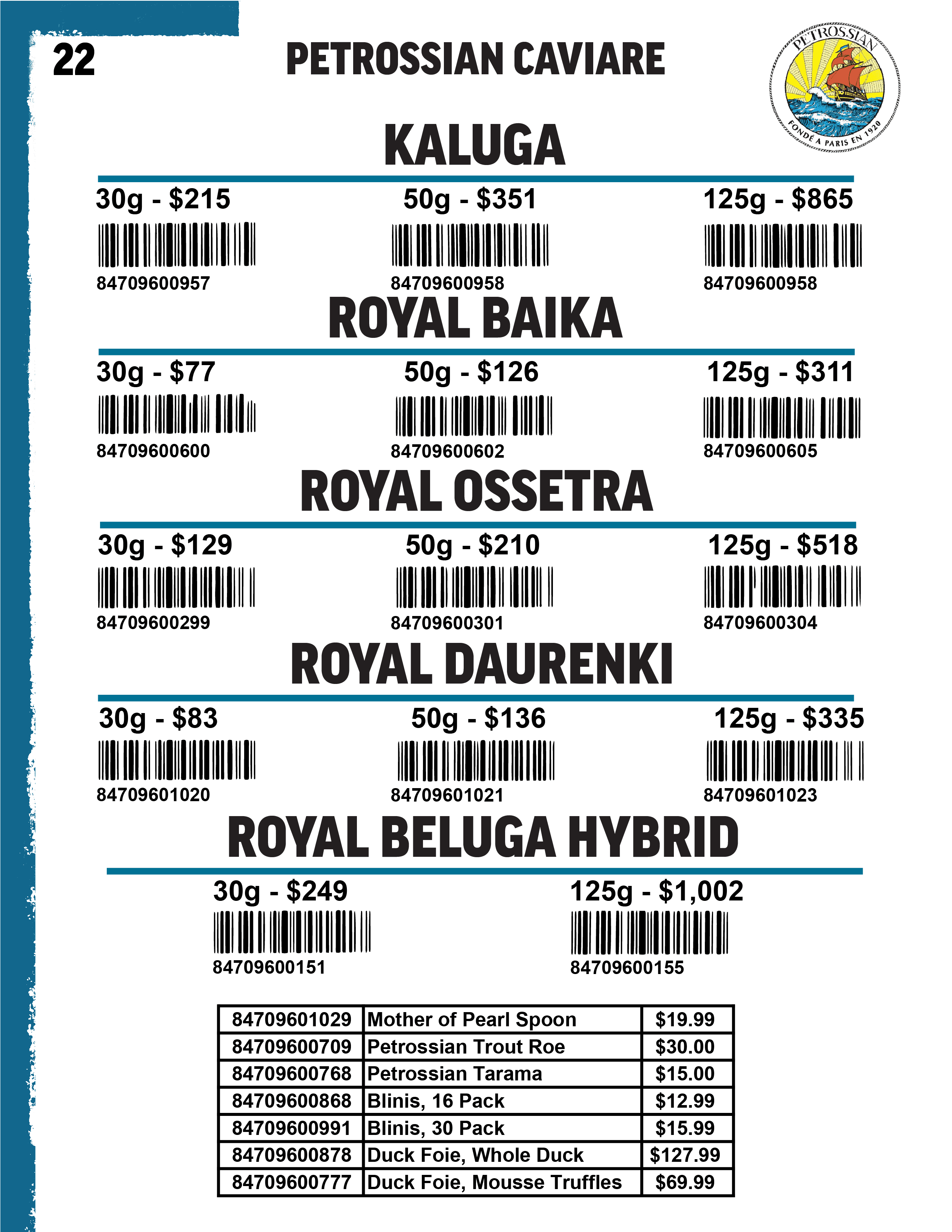
My solution was to divide items

into clear sections. Then, I color-coded

them based on their category, and arranged them

alphabetically with highlights for where each

first letter starts and ends.


Common items are highlighted

in bold, and each larger section has a page-border

color coding system so cashiers

can find the right section more quickly.


Now, instead of searching through all fruits,

vegetables, roots, herbs, etc. a cashier can check

the produce, find it's corresponding color and

letter, and find the right PLU code in half the time.

My solution was to divide items

into clear sections. Then, I color-coded

them based on their category, and arranged them

alphabetically with highlights for where each

first letter starts and ends.


Common items are highlighted

in bold, and each larger section has a page-border

color coding system so cashiers

can find the right section more quickly.


Now, instead of searching through all fruits,

vegetables, roots, herbs, etc. a cashier can check

the produce, find it's corresponding color and

letter, and find the right PLU code in half the time.

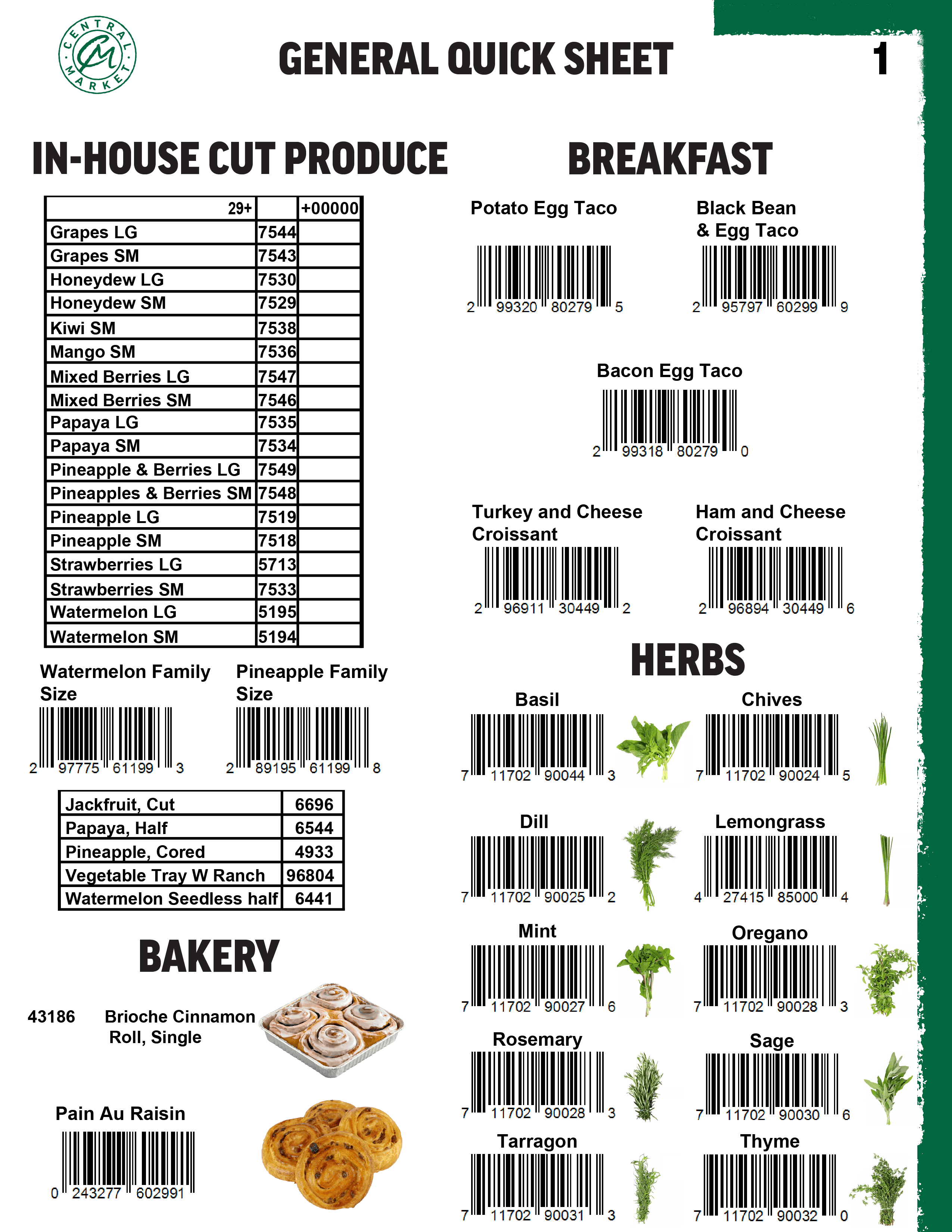
The end result is

a cohesive,

organized book

that contains

better legibility,

a built-in search

function, and a

fully trimmed

down and

streamlined

product selection.

THE FINAL

PRODUCT

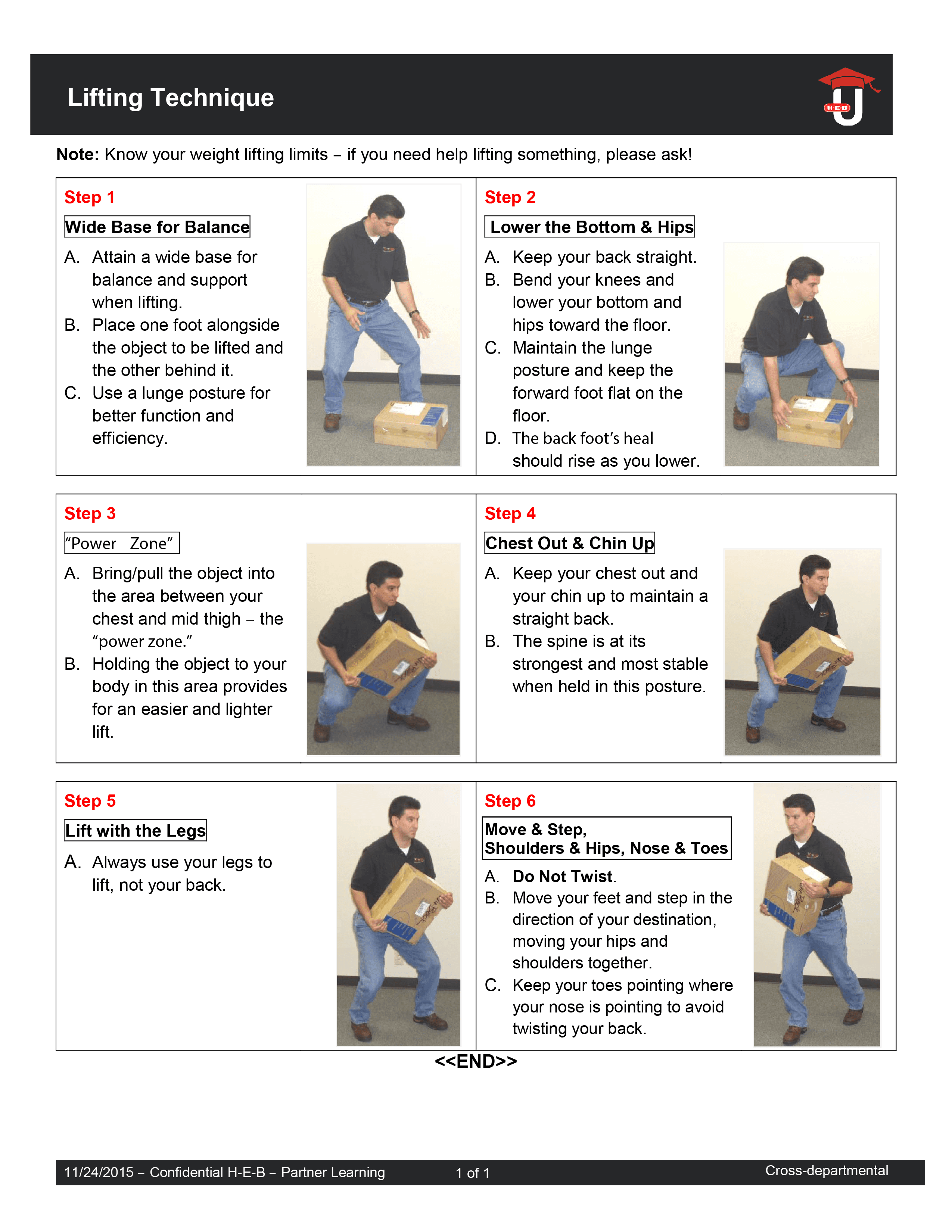
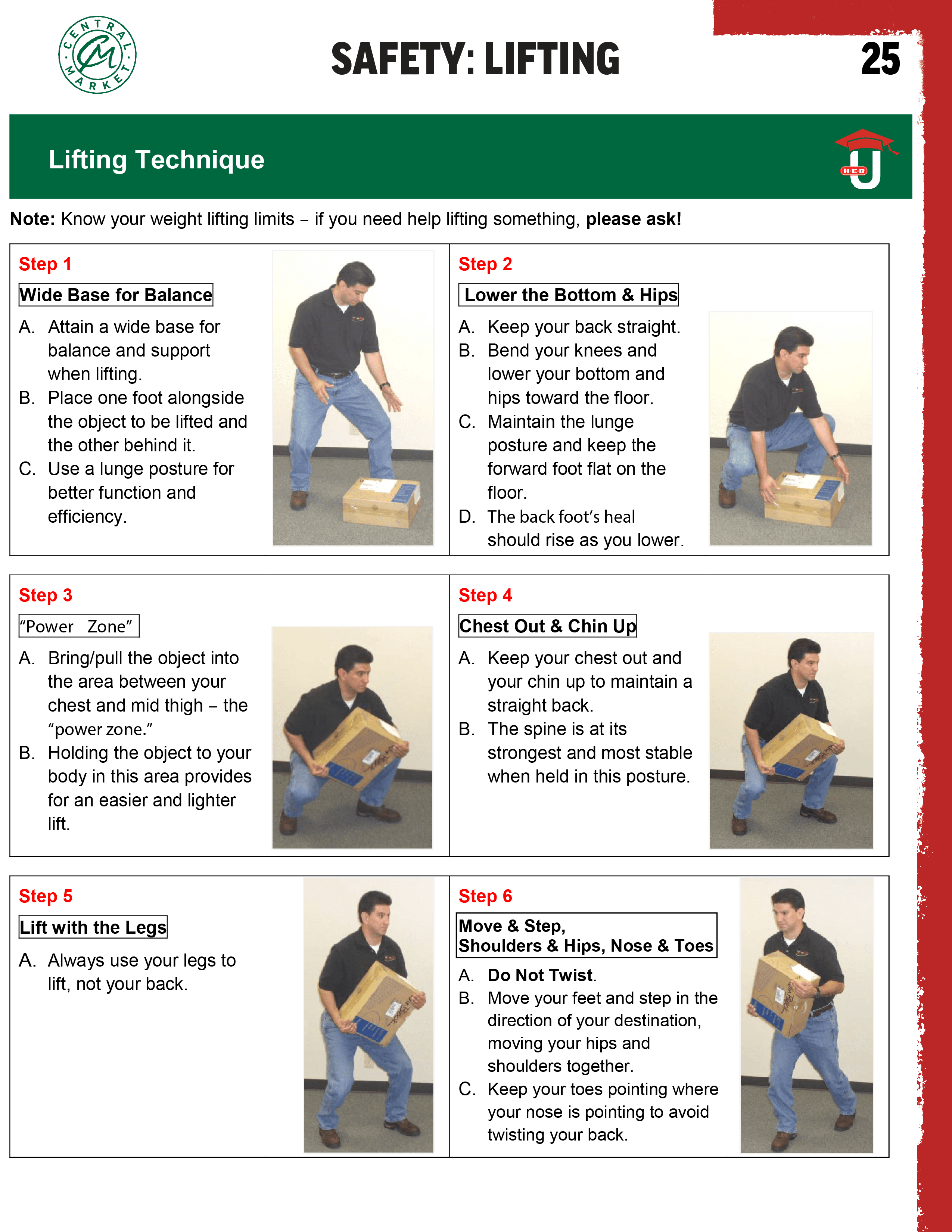
The inclusion of the

above How-To

guide in every book

allowed cashiers

to easily transition

to the new system

and gave them an

easy reference in

case it's needed.

The end result is

a cohesive,

organized book

that contains

better legibility,

a built-in search

function, and a

fully trimmed

down and

streamlined

product selection.

THE FINAL

PRODUCT

THE FINAL

PRODUCT

The inclusion of the

above How-To

guide in every book

allowed cashiers

to easily transition

to the new system

and gave them an

easy reference in

case it's needed.

I reduced the amount

of pages from 41 to 26.

That's an over 36% reduction

in the size of the product.


Cashier scanning speed

and accuracy increased

dramatically, leading to

less product loss.


Customer Throughput

increased by 50%

creating faster, and

more satisfying

experiences.


Managers from other

Central Markets are

clamoring for the files

to construct similar

handbooks for their

locations.


I reduced the amount

of pages from 41 to 26.

That's an over 36% reduction

in the size of the product.


Cashier scanning speed

and accuracy increased

dramatically, leading to

less product loss.


Customer Throughput

increased by 50%

creating faster, and

more satisfying

experiences.


Managers from other

Central Markets are

clamoring for the files

to construct similar

handbooks for their

locations.